Breath Hold Course
Learn how breath-hold sessions are structured, how to prepare on dry land, and which safety rules apply before practising in or around water.
Sign up for our waitlist and receive a free chapter from the course. We're launching soon!
Learn to Hold Your Breath!
Breath holding combines technique, physiology, relaxation, and strict safety habits. The course explains each part before asking you to practise it.
You will learn:
- Breath-hold physiology
How carbon dioxide, oxygen, and breathing signals change during a hold - Dry-land safety
Why hyperventilation is dangerous and why in-water practice requires a trained buddy - Training structure
How CO2 tables, breathing exercises, and rest periods are organised
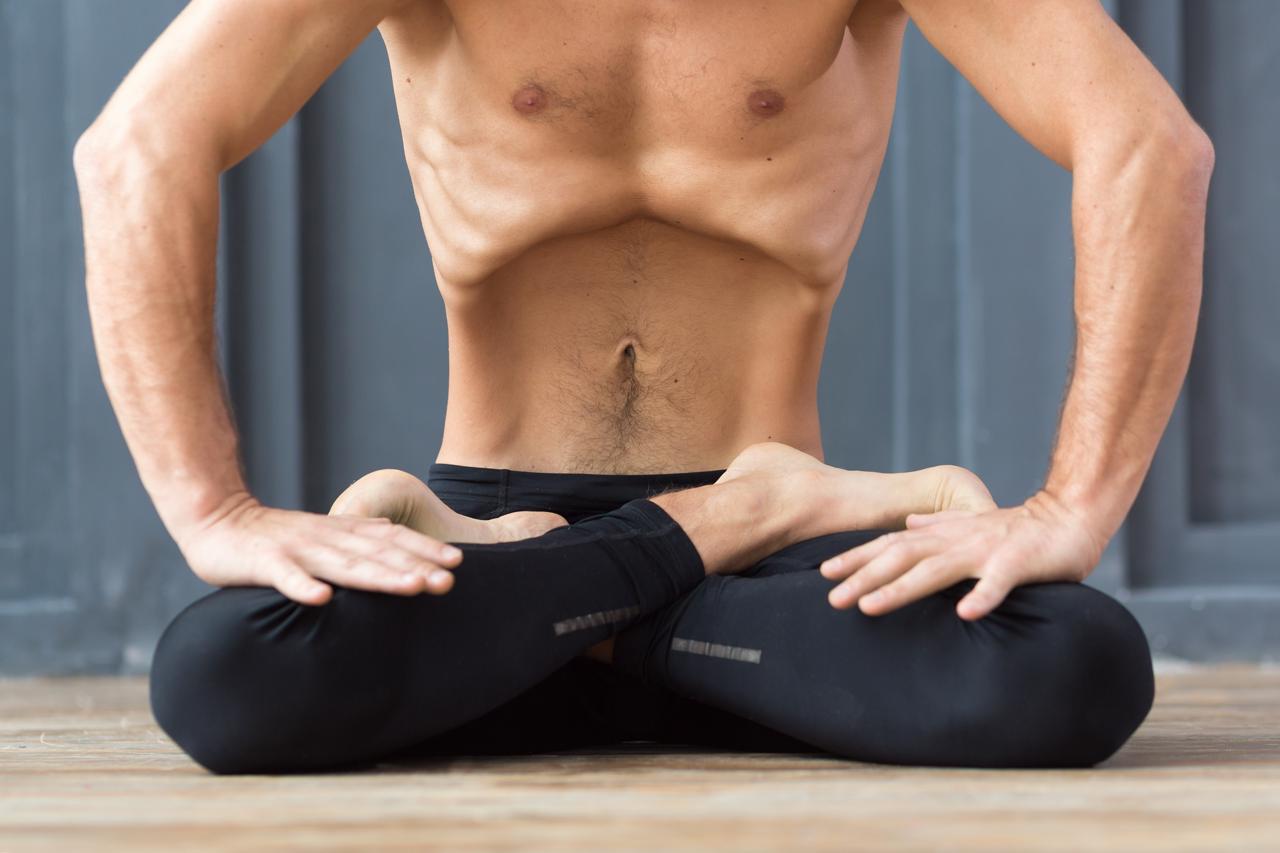
Who Is This Course For?
The course starts with the fundamentals and also gives experienced practitioners a structured review of technique and safety.
It may suit you if you want to:
- Understand what happens during a breath hold
- Learn how CO2 and O2 tables are structured
- Build a repeatable dry-land practice
- Review freediving preparation and recovery
- Practise guided breathing ratios
- Learn the non-negotiable rules for in-water training
No prior breathwork or diving experience is required. The course does not replace certified, in-water freediving instruction.
Skills Covered
The lessons cover:
Breath-hold physiology
CO2 table structure
Preparation and recovery
Blackout and hyperventilation safety
Breathing muscle awareness
Relaxation during dry holds
Baseline tests and training logs
Buddy requirements in water
Course Structure
Introduction
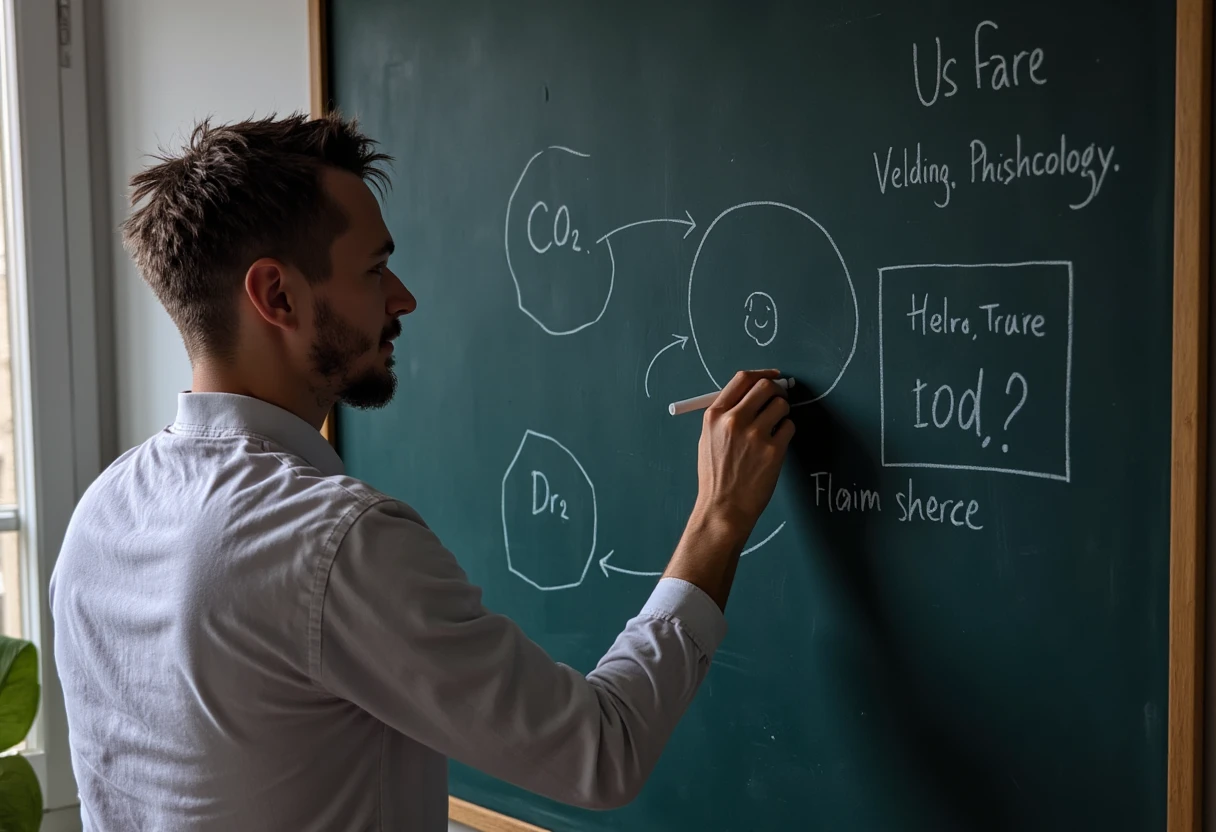
- What is breath holding/freediving
- How dry-land practice differs from freediving in water
Physiology
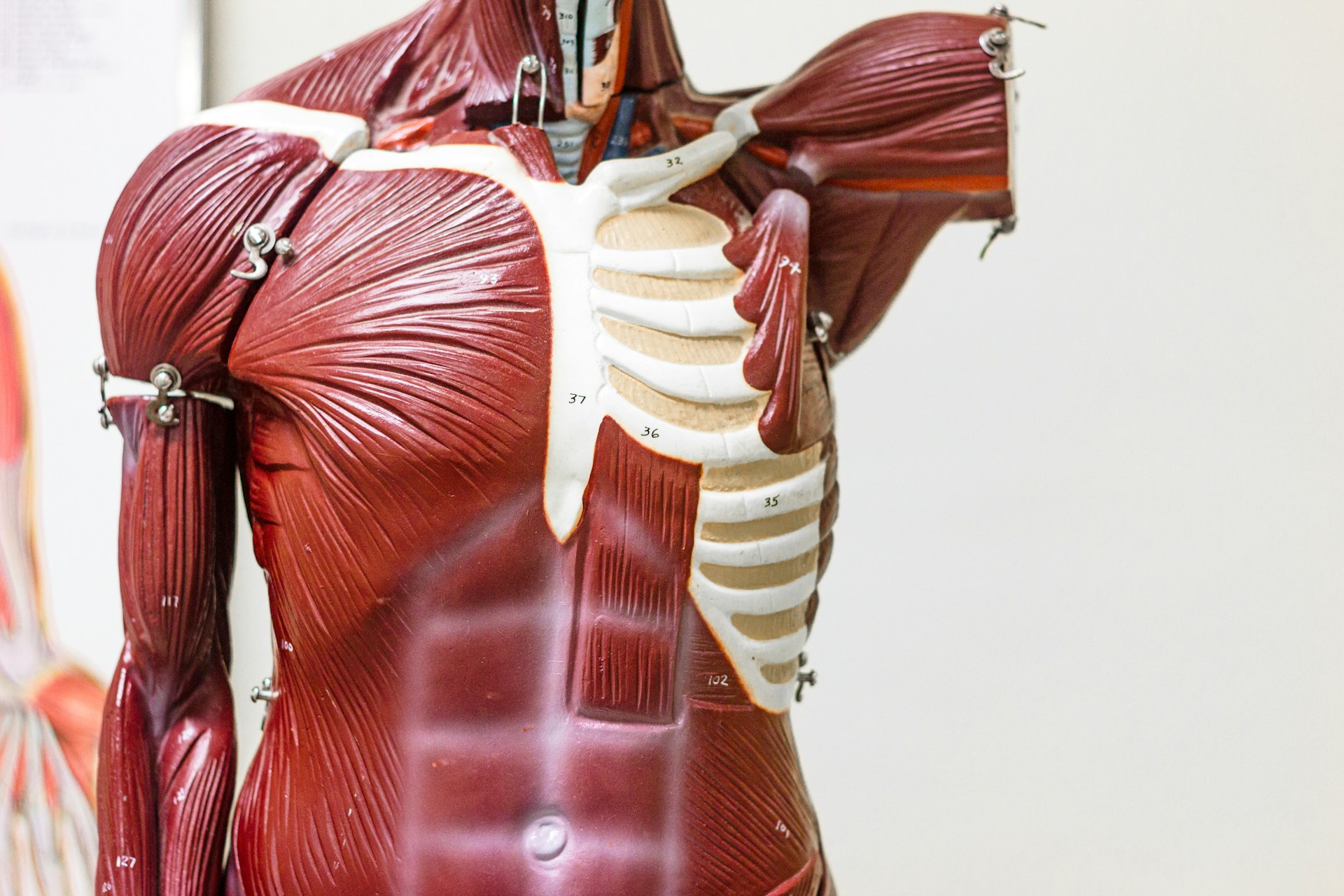
- The urge to breathe
- Oxygen & Carbon dioxide on breath hold
Breath Hold Preparation
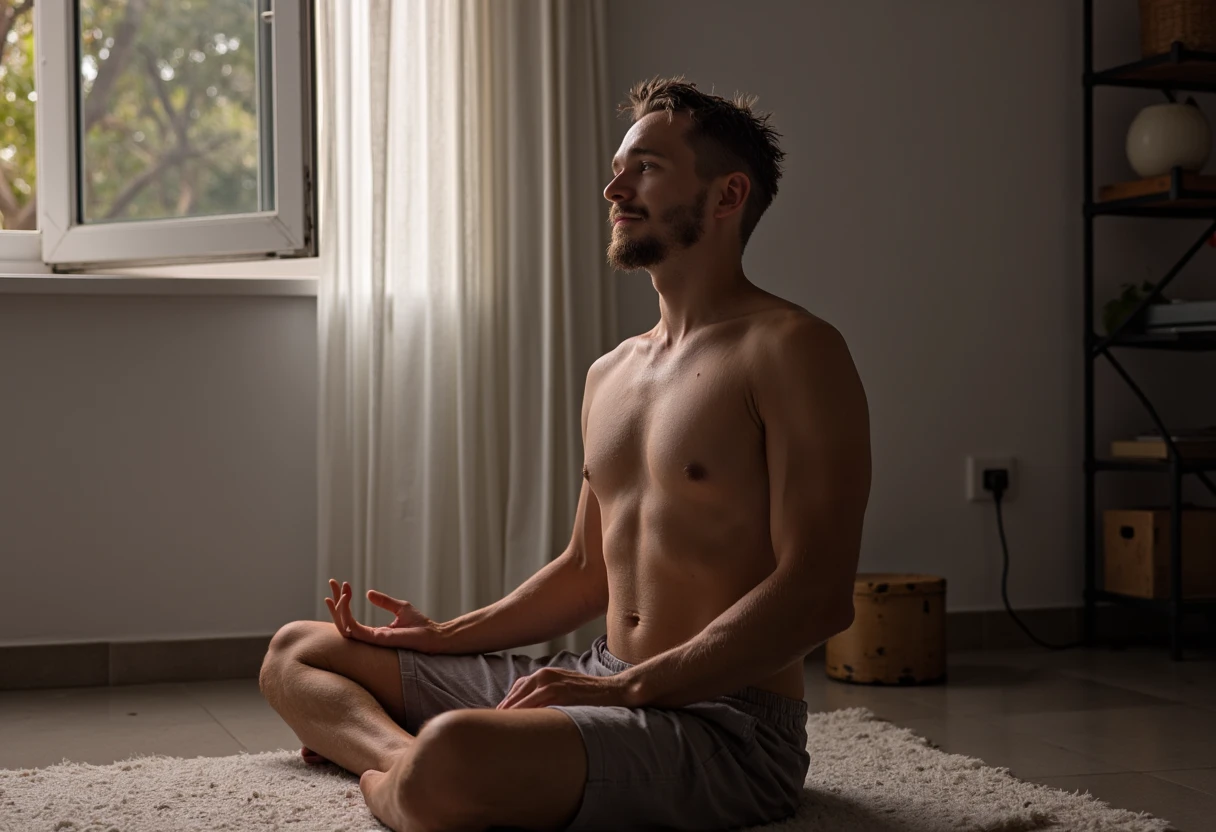
- How do we prepare for a breath hold
- Staying comfortable during breath hold
- What to do once the breath hold is complete
CO2 Training
- How a conventional CO2 table is structured
- Understand all the different factors that affect our breath hold capability
Breathing Exercises
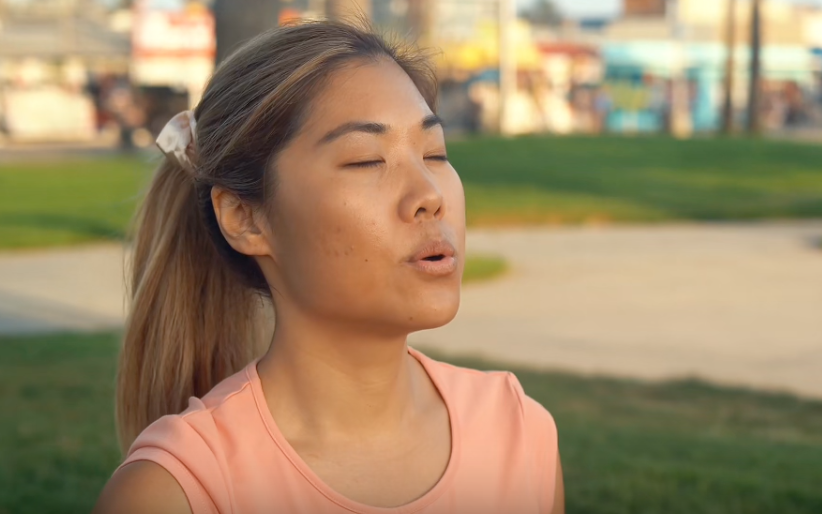
- Breathing muscle activation & control
- CO2 training
- Breathing muscle awareness and control
- Focus and relaxation exercises
By the end of this course, you will have clear instructions and demonstrations on how to perform a multitude of different breathing and breath-hold exercises.
How the Course Is Taught
Each module combines an explanation, a demonstration, and a dry-land exercise. Safety guidance comes before performance work.
Education & Technique
Learn the basic physiology, preparation sequence, recovery steps, and safety rules before starting a training table.
Breathing Muscle Activation & Control
Use guided exercises to identify the diaphragm and other breathing muscles, then practise controlled inhale and exhale patterns.
CO2 Tolerance Training
Learn how a CO2 table keeps hold time steady while rest intervals become shorter, and how to adjust a session without hyperventilating.
Preparation and Recovery
Follow a repeatable sequence before and after a dry breath hold, including calm breathing and a controlled recovery breath.
Balancing, Focus & Meditative Techniques
Practise attention and body-scanning techniques that help you notice tension during a dry-land session.
Meet your instructor

MJ Kühn
MJ is a Freediving Instructor Trainer, Functional Breath Coach, and yoga teacher who demonstrates the breathing, preparation, and recovery exercises used throughout the course.
The lessons combine freediving technique with clear safety boundaries for dry-land and in-water practice.
More about MJFrequently Asked Questions
Ready to Take the Plunge?
Join the waitlist for a practical course on breath-hold technique, training structure, and safety.
Start your breath hold journey today!